Defence Icon
Classification: Public · Data current 2025 · NZDF Strategic Briefing

Defence Force Strategic Overview
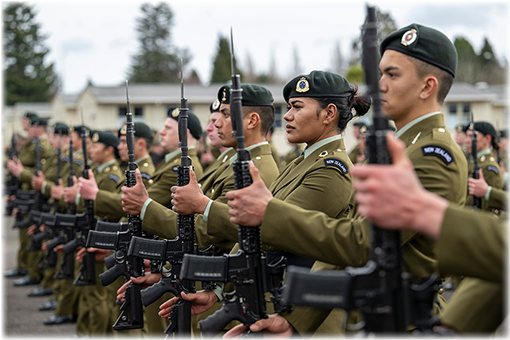
New Zealand Defence Force (NZDF)  ·  Royal New Zealand Navy  ·  New Zealand Army  ·  Royal New Zealand Air Force
15,383Total Personnel
47Aircraft
8Ships
$6.2BBudget NZD
◆  About the New Zealand Defence Force

The New Zealand Defence Force (NZDF) is the nation's combined armed services, comprising the Royal New Zealand Navy, the New Zealand Army, and the Royal New Zealand Air Force. In its current unified form the NZDF was established in 1990 under the Defence Act, though its roots stretch back to the colonial militia and constabulary forces of the 1840s. As of 2024 the NZDF numbers approximately 15,383 personnel — including 10,037 regular force members, 3,281 reservists, and 3,294 civilian staff. Though modest in scale, it is a highly professional and technically capable force, regularly rated among the most interoperable military organisations in the Indo-Pacific. New Zealand's strategic geography shapes its defence priorities: the country sits at the edge of the vast Pacific, responsible for a 4.1 million km² Exclusive Economic Zone, and acts as a first responder to natural disasters and humanitarian crises across the Pacific Island region, including Samoa, Tonga, Vanuatu, and the Cook Islands.

New Zealand's defence posture is characterised by a commitment to collective security, Pacific stability, and close alliance relationships. As a founding ANZUS partner, a member of the Five Eyes intelligence network, and a key contributor to Combined Maritime Forces and UN peacekeeping operations, the NZDF integrates closely with Australia, the United Kingdom, the United States, and Canada. The force has participated in virtually every major Western alliance commitment since the 1890s — from the Boer War through two World Wars, Korea, Vietnam, the Gulf, East Timor, the Solomon Islands, and Afghanistan — earning an enduring international reputation for professionalism, cultural sensitivity, and disciplined effectiveness out of all proportion to its size. The current Defence Capability Plan, updated in 2023, has signalled the most significant capability investment since the post-Cold War drawdown, targeting new helicopters, enhanced maritime patrol, upgraded frigates, and a pathway toward the NATO benchmark of 2% of GDP defence spending.

◆  Defence Force Strength Over Time
⚠ WWI (1916–18) and WWII (1941–45) figures reflect total deployed/mobilised forces, not peacetime establishment. All other years show regular force active strength. Sources: Issuu/NZ Defence data, NZDF Annual Reports, NZ History.
Personnel Strength — As at June 2024
15,383
Total Workforce
Regular + Reserve + Civilian
4,292
New Zealand Army
Regular · 2,052 Reserve
2,518
Royal NZ Air Force
Regular · 463 Reserve
3,281
Total Reserve Force
Across all three services
3,294
Civilian Staff
Non-uniformed NZDF employees
Royal New Zealand Air Force — Aircraft Inventory (47 aircraft, 2025)
ImageAircraft / ModelTypeQtyRoleIn ServiceSquadronInfo
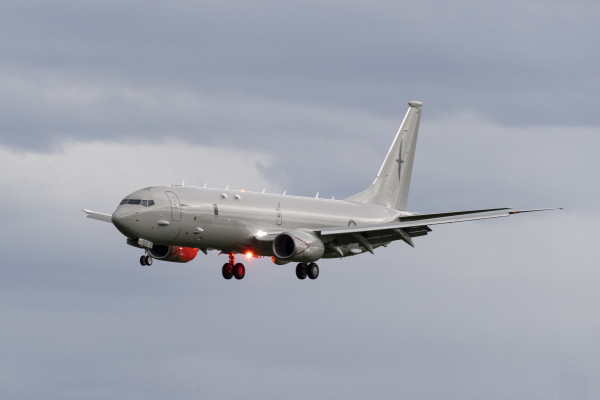
P-8A Poseidon
Boeing P-8A Poseidon
All 4 delivered by July 2023; replaced P-3K2 Orion
Maritime Patrol4Long-range maritime surveillance, ASW, ISR2022–presentNo. 5 SqnMore Info ↗
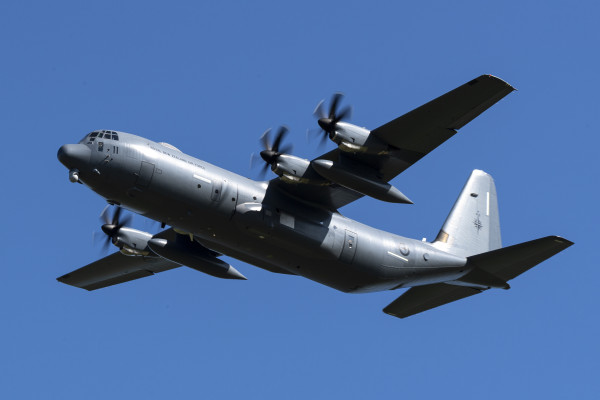
C-130J
Lockheed Martin C-130J-30 Super Hercules
First delivered Aug 2024; replaced legacy C-130H
Tactical Transport5Tactical airlift, airdrop, HADR response2024–presentNo. 40 SqnMore Info ↗
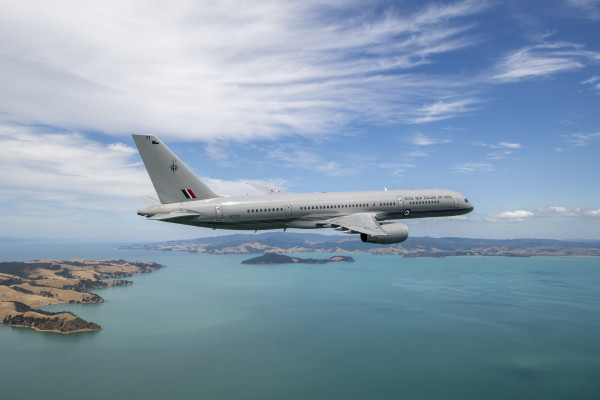
Boeing 757
Boeing 757-200
Airbus A321XLR ordered Aug 2025 as replacement (~2032)
Strategic Transport2Long-range strategic transport, VIP / ministerial flights1990–presentNo. 40 SqnMore Info ↗
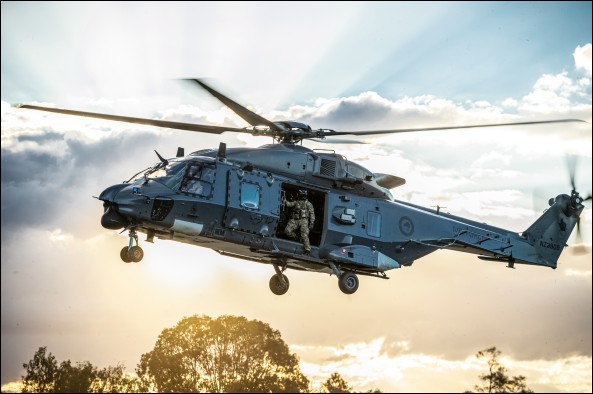
NH90
NHIndustries NH90 TTH
Medium utility; upgraded comms/nav systems 2022
Helicopter — Utility8Troop transport, SAR, HADR, utility support2014–presentNo. 3 SqnMore Info ↗
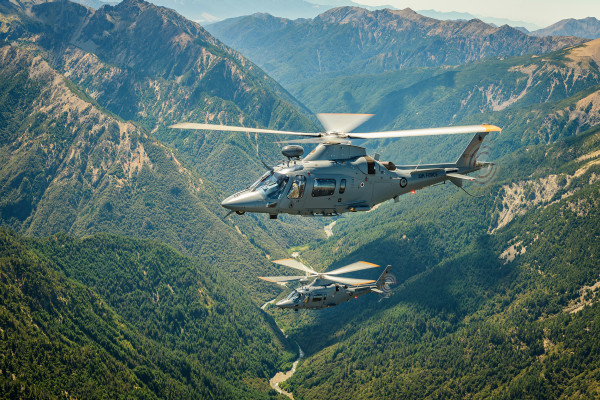
AW109
AgustaWestland AW109
Primary helicopter training platform
Helicopter — Light5Light utility, VIP transport, pilot training2009–presentNo. 3 SqnMore Info ↗
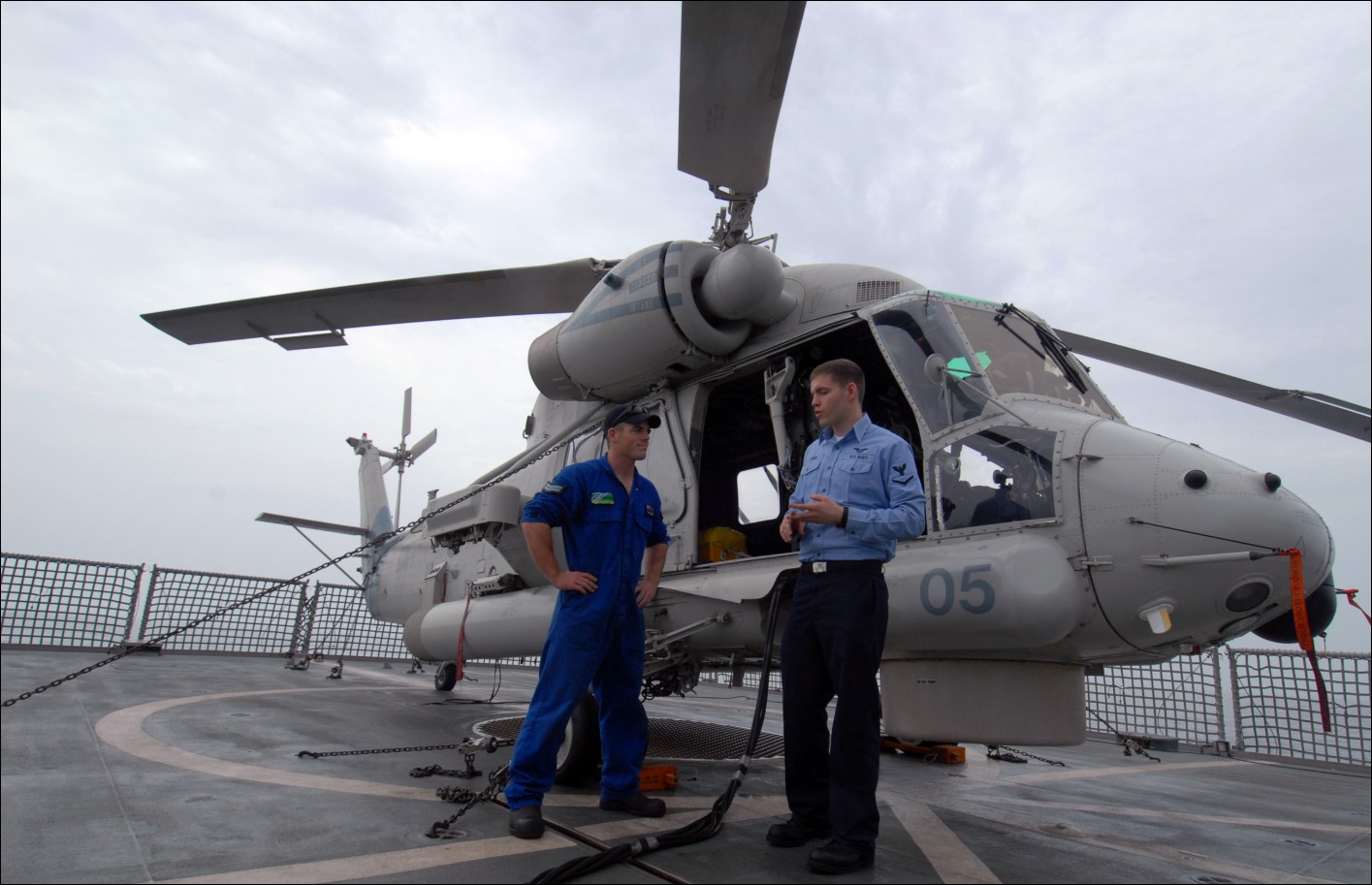
SH-2G
Kaman SH-2G(I) Super Seasprite
NZ$2B replacement programme announced May 2025
Naval Helicopter8ASW, surface search, naval gunfire support, SAR2001–presentNo. 6 SqnMore Info ↗
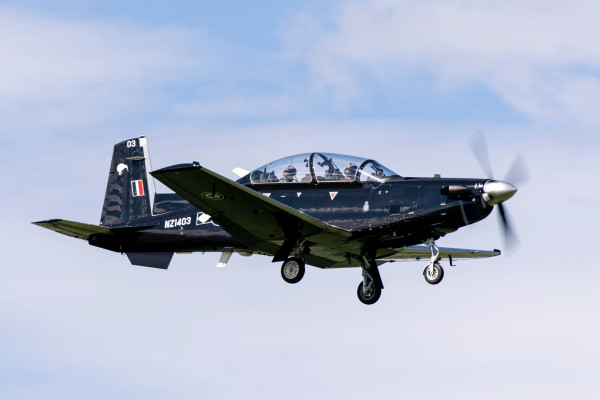
T-6C Texan II
Beechcraft T-6C Texan II
Primary fixed-wing flight training aircraft
Trainer — Basic10Basic and advanced fixed-wing flight training2018–presentNo. 14 SqnMore Info ↗
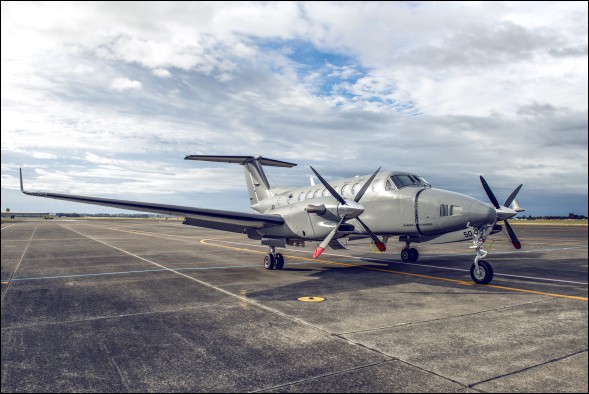
King Air 350
Beechcraft King Air 350
Leased; also used for domestic coastal patrol
Trainer — Multi-engine4Multi-engine aircrew training, coastal maritime surveillance2019–presentNo. 42 SqnMore Info ↗
⚠ NZ disbanded its air combat force (A-4K Skyhawks, F-16 option) in 2001 — the RNZAF has no fast-jet fighter or ground-attack capability. Total fleet: 47 active aircraft. 2 × Airbus A321XLR on order (Aug 2025) to replace Boeing 757s, delivery ~2032.
Royal New Zealand Navy — Fleet Inventory (8 commissioned ships, 2025)
ImageVessel / ModelClassTypeDisplacementCommissionedPennantStatusInfo
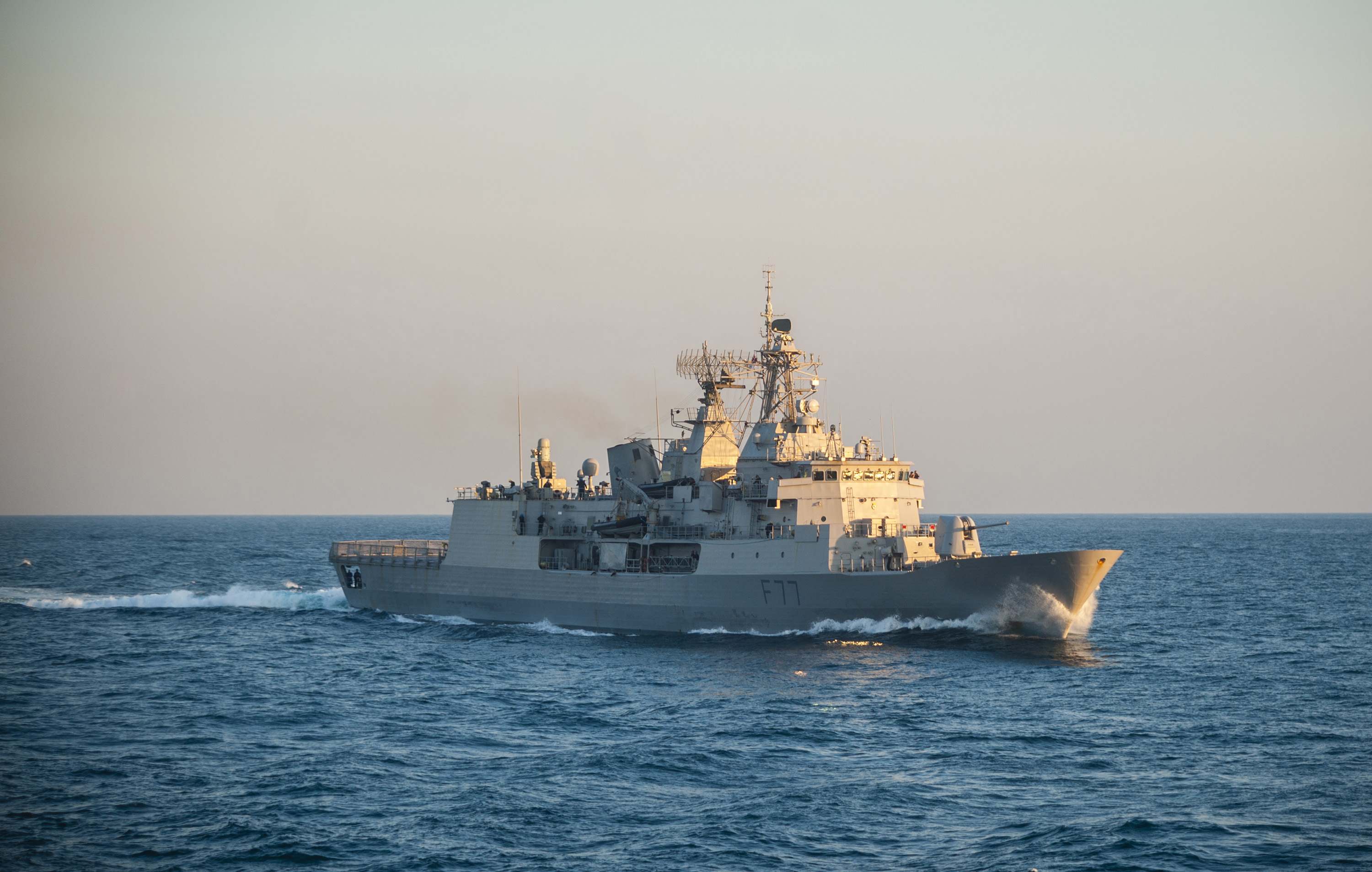
HMNZS Te Kaha
HMNZS Te Kaha
Sea Ceptor SAM upgrade complete 2023; 5-inch Mk 45 gun
Anzac classFrigate3,660 t1997F77ActiveMore Info ↗
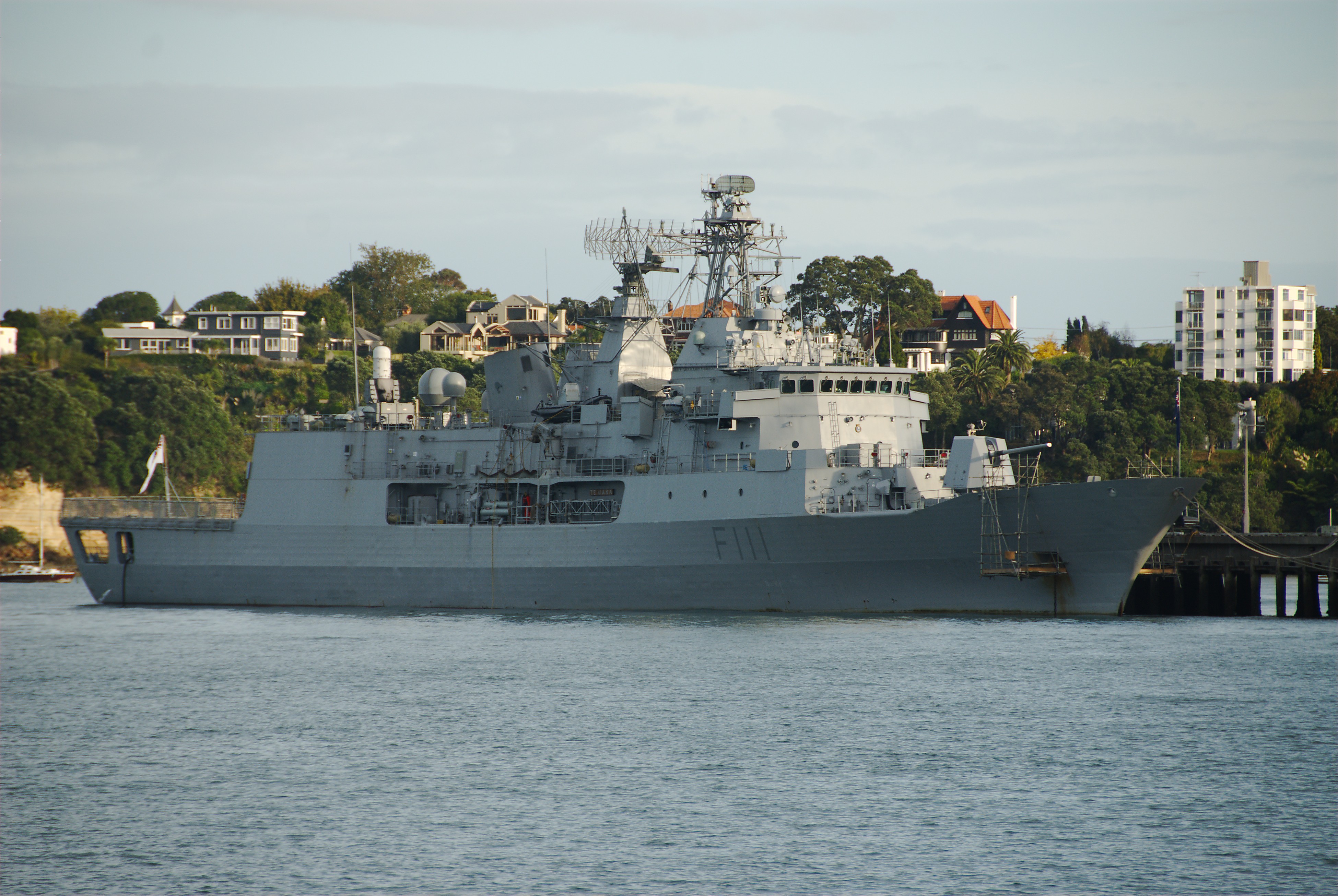
HMNZS Te Mana
HMNZS Te Mana
Frigate Systems Upgrade complete; sailed South China Sea 2024
Anzac classFrigate3,660 t1999F111MaintenanceMore Info ↗
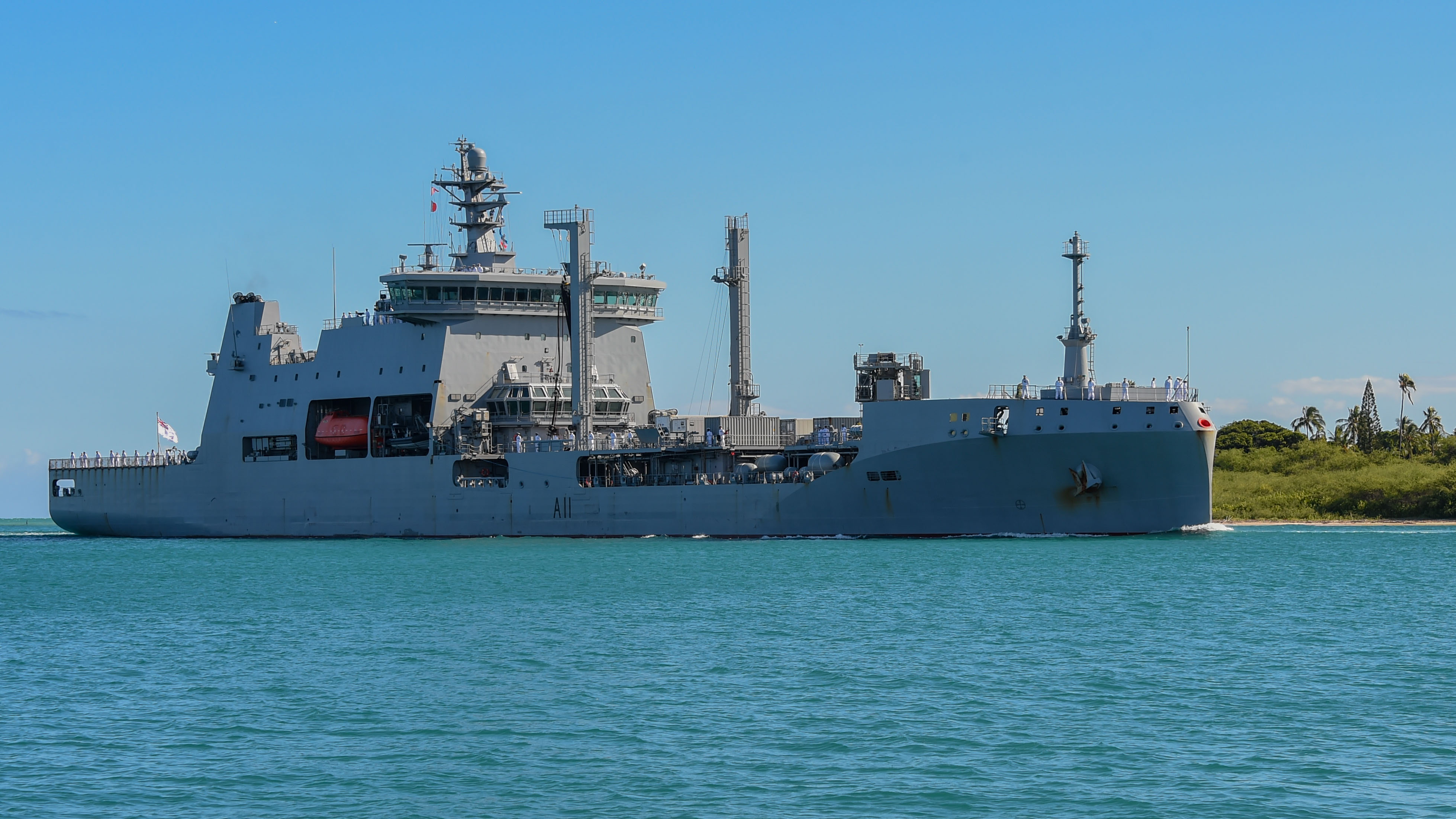
HMNZS Aotearoa
HMNZS Aotearoa
Polar-capable; transited Taiwan Strait Sep 2024
Replenishment Oiler26,000 t2020A11ActiveMore Info ↗
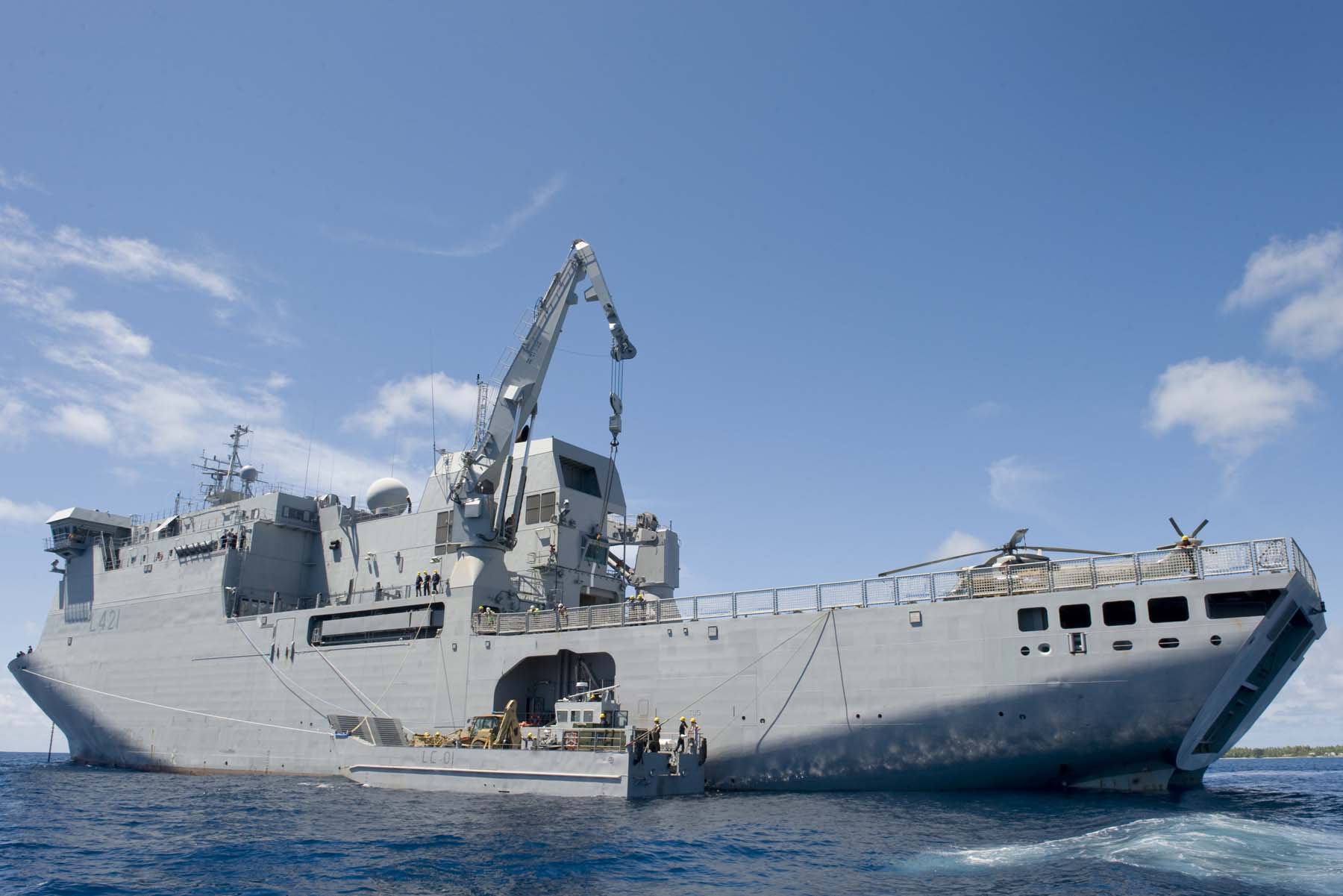
HMNZS Canterbury
HMNZS Canterbury
Amphibious sealift, HADR, vehicle/troop transport
Multi-Role Vessel9,000 t2007L421ActiveMore Info ↗
HMNZS Otago
HMNZS Otago
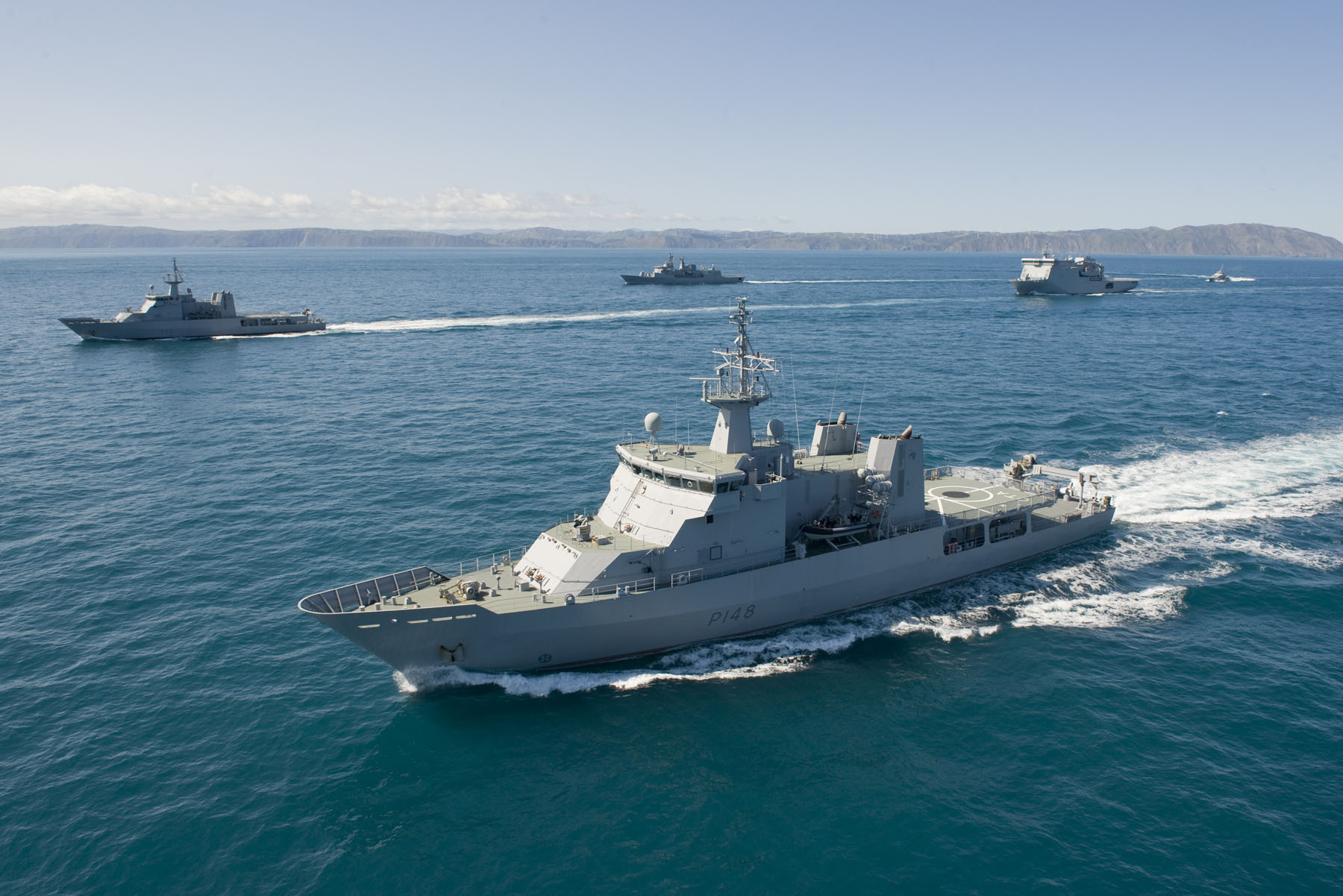
Assumed diving/hydrographic duties after Manawanui loss (Oct 2024)
Protector classOffshore Patrol1,900 t2010P148ActiveMore Info ↗
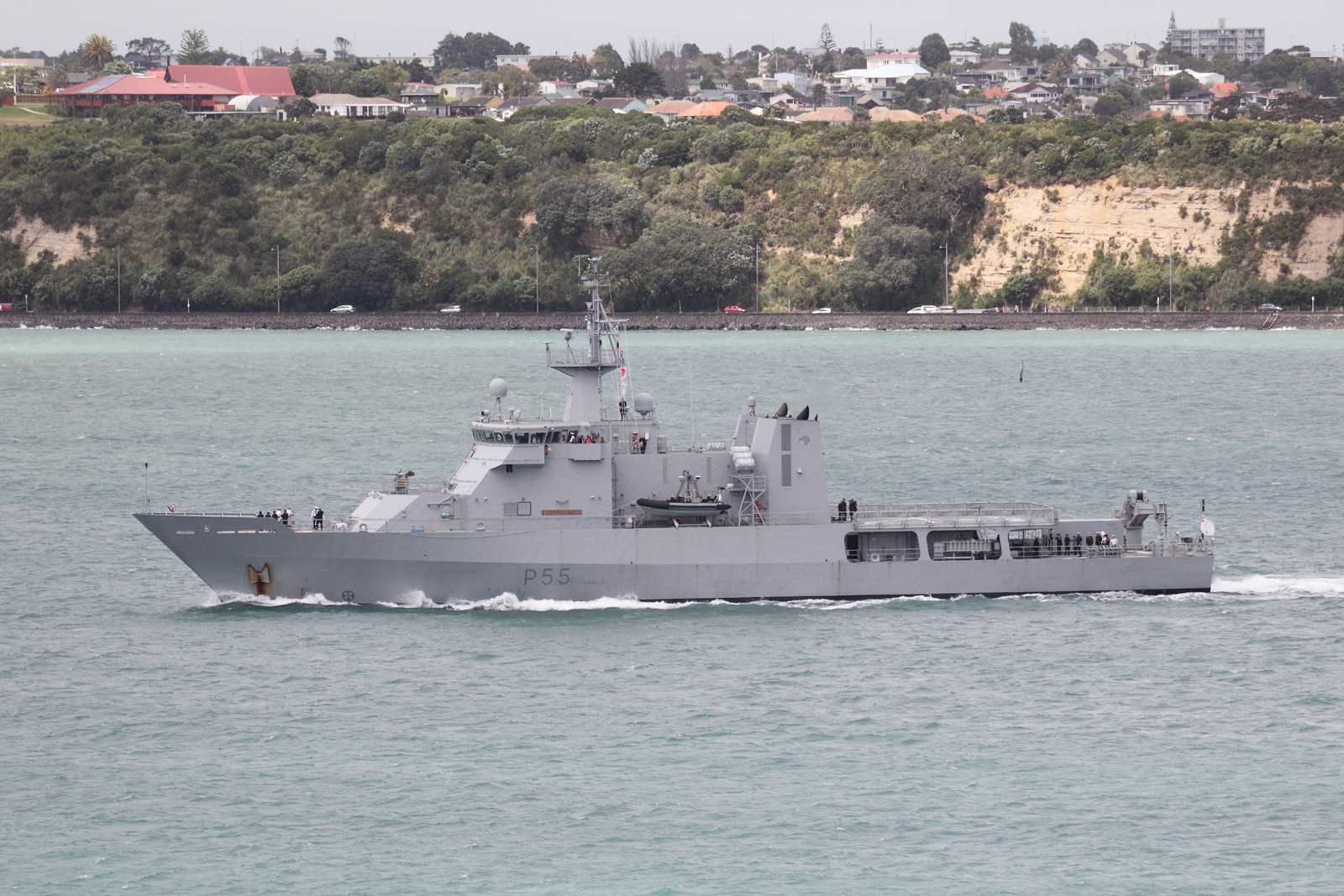
HMNZS Wellington
HMNZS Wellington
EEZ surveillance, fisheries patrol, disaster relief
Protector classOffshore Patrol1,900 t2010P55Laid UpMore Info ↗
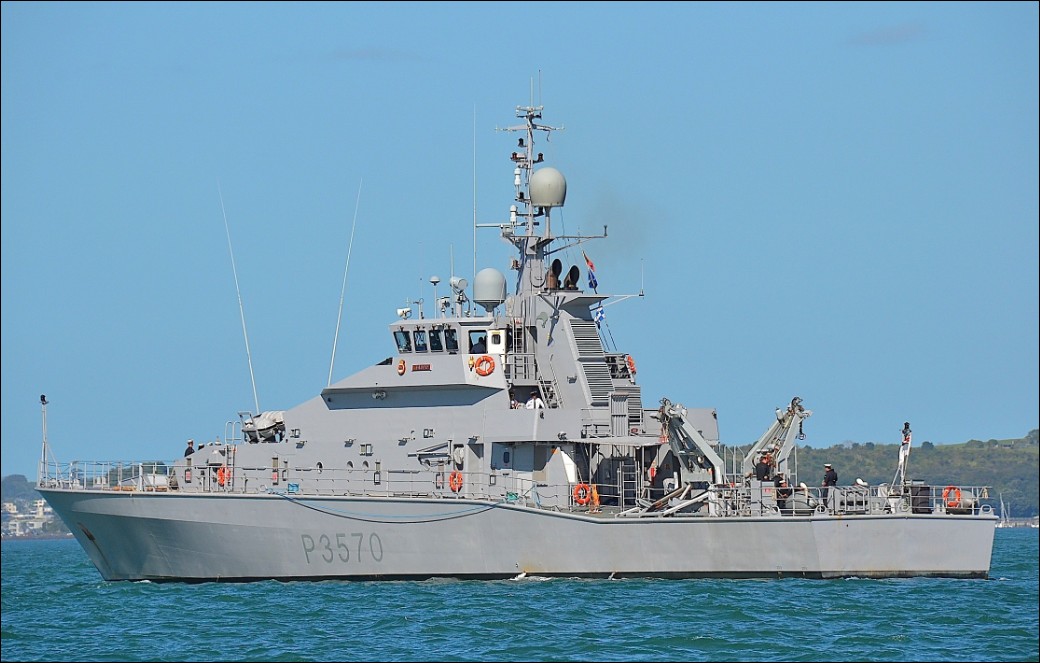
HMNZS Taupo
HMNZS Taupo
Coastal and port security, fisheries inspection
Lake classInshore Patrol340 t2009P3570ActiveMore Info ↗
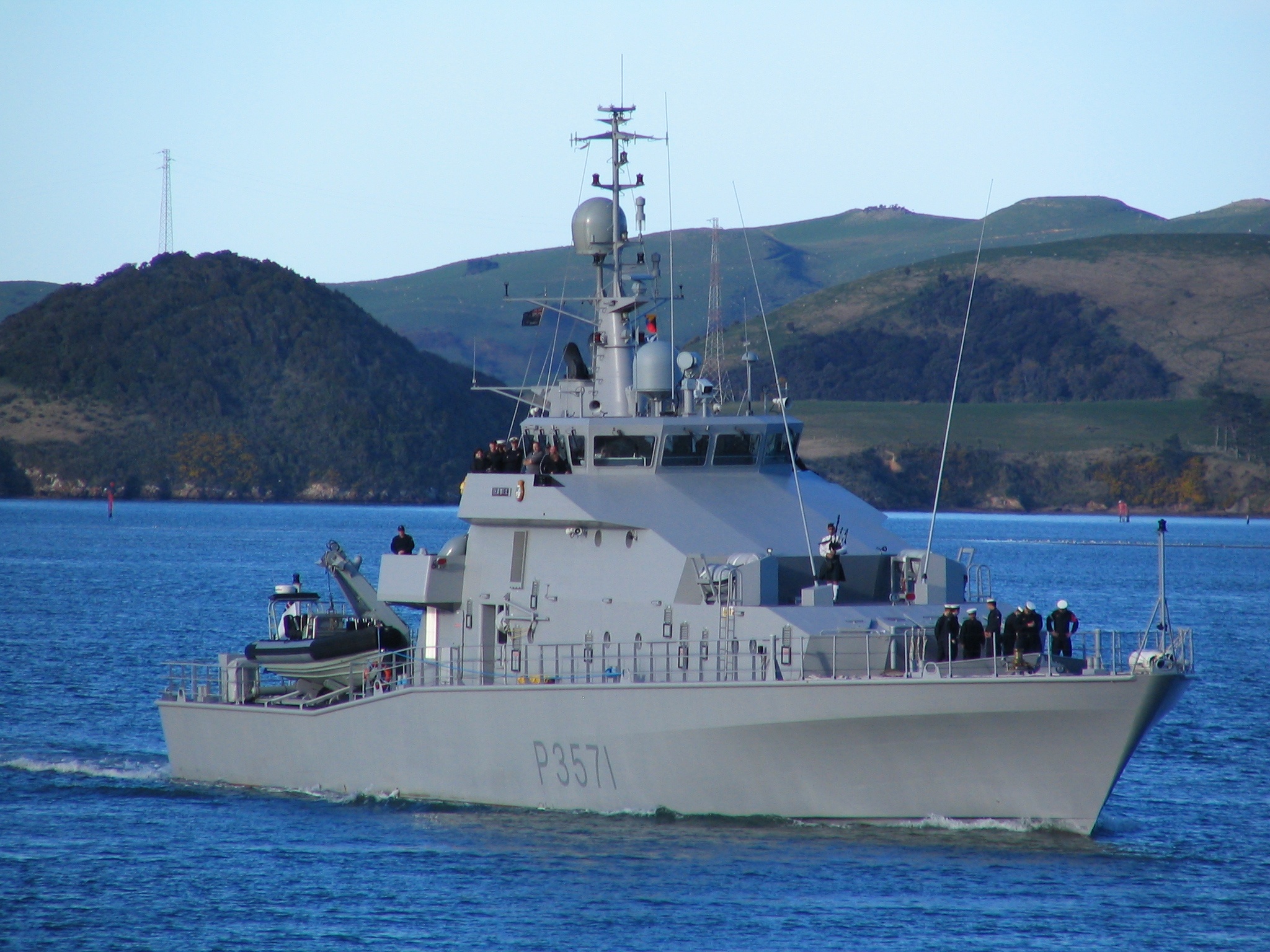
HMNZS Hawea
HMNZS Hawea
Coastal protection, training operations
Lake classInshore Patrol340 t2009P3571Laid UpMore Info ↗
⚠ HMNZS Manawanui (A09) sank off Samoa 5 Oct 2024 — first RNZN ship lost in peacetime. All 75 crew survived. Not replaced; HMNZS Otago assumed her duties. NZ$2B new naval helicopter programme announced May 2025. All ships home-ported at Devonport Naval Base, Auckland.
New Zealand Army — Ground Equipment (Key Systems)
Equipment / ModelTypeOriginQuantityNotesInfo
General Dynamics NZLAV (LAV III)
8-wheeled; 25mm M242 Bushmaster cannon + MAG-58 MGs
Infantry Fighting Vehicle🇨🇦 Canada73 (+8 surplus)Originally 105 purchased 2003; 22 sold to Chilean Navy Apr 2022; up-armoured variants deployed to Afghanistan; air-transportable by C-130More Info ↗
Thales Bushmaster NZ5.5 Protected Mobility Vehicle
Mine-resistant; seats 9 soldiers
Protected Mobility🇦🇺 Australia485 × SOV-PH variant operated by NZ SAS; remainder in standard infantry unitsMore Info ↗
L119 105mm Light Gun
Towed howitzer; helicopter-liftable; range 17.2 km (20.6 km base bleed)
Artillery🇬🇧 UK / BAE Systems~24Operated by 161 Battery RNZA. Deployed to Afghanistan. NZ trained Ukrainian crews on L119 in UK under Op Interflex (2022)More Info ↗
L16A2 81mm Mortar
Crew-portable indirect fire; range 5.6 km
Mortar🇬🇧 UK~18Integrated into rifle company fire support elements; fired from vehicle or dismountedMore Info ↗
Carl Gustav M3 (L14A1) 84mm Recoilless Rifle
Multi-role: anti-armour, bunker-busting, smoke, illum
Recoilless Rifle🇸🇪 Sweden (Saab)436 rounds/min; 700m effective anti-armour rangeMore Info ↗
Raytheon FGM-148 Javelin ATGM
Fire-and-forget, man-portable anti-tank missile
Anti-Tank Missile🇺🇸 USA~9 launchersTop-attack mode; 2,500m effective range; CLU reusable, missile single-shotMore Info ↗
LMT MARS-L 5.56mm Assault Rifle
Replaced Steyr AUG Aug 77 from ~2016
Service Rifle🇺🇸 USA~5,000+M203 under-barrel grenade launcher on ~25% of rifles; issued alongside Heckler & Koch GMG 40mm AGL on vehiclesMore Info ↗
Pinzgauer HMATV (High-Mobility All-Terrain Vehicle)
Eight service variants; 4WD/6WD configurations
Light Utility Vehicle🇦🇹 Austria321Being replaced by VAMTAC CK3 (40 ordered Nov 2024) and VAMTAC ST5 (20 ordered) from 2027More Info ↗
Rheinmetall MAN HX77 MHOV (Medium-Heavy Operational Vehicle)
8×8 drive; multiple variants
Heavy Transport🇩🇪 Germany250+Replaced Mercedes Unimog fleet; variants: flat-bed, tipper, tanker, crane, refrigerated, heavy equipment transporterMore Info ↗
Supacat HMT Extenda "SOV-MH" (Special Operations Vehicle)
Long-range desert mobility platform
SOF Vehicle🇬🇧 UK6+Operated exclusively by 1 NZSAS Regiment; exact numbers classified; multi-weapon capableMore Info ↗
⚠ New Zealand operates no main battle tanks. The NZLAV (LAV III wheeled IFV) fulfils the primary armoured role. The NZ Army is organised around the 1st New Zealand Brigade incorporating the Royal New Zealand Infantry Regiment, Royal New Zealand Artillery, Royal New Zealand Corps of Engineers, and 1 NZSAS Regiment.
Total NZDF Workforce — As at June 2024
15,383
Total Workforce
Reg + Reserve + Civilian
10,037
Regular Force
Full-time uniformed personnel
3,281
Reserve Force
Part-time across all services
3,294
Civilian Staff
Non-uniformed NZDF employees
~2,800
Women in NZDF
~18% of total force; all roles open
~16%
Māori & Pacific
Higher than civil service average
Regular Force by Service
Personnel Trend 2015–2025
Rank Structure — Regular Force
Officers
~2,100
Senior NCOs
~2,800
Junior NCOs
~2,600
Other Ranks
~2,500
Civilians
3,294
New Zealand Army — Regular Force ~4,292 · Reserve ~2,052
🪖  New Zealand Army — 1st New Zealand Brigade

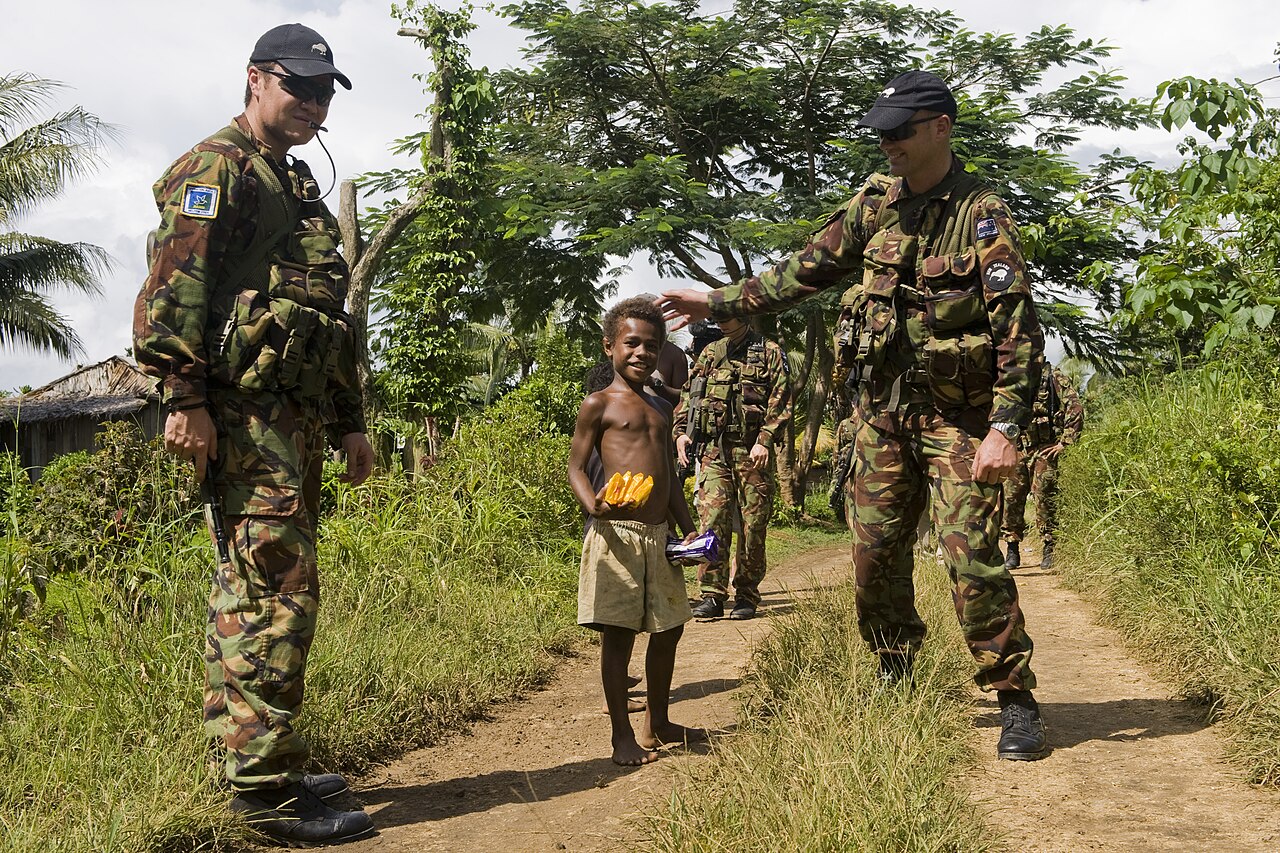
The NZ Army is built around the 1st New Zealand Brigade, headquartered at Linton Military Camp, Palmerston North. Its combat power rests on two infantry battalions, an armoured reconnaissance regiment, field artillery, engineers, signals, and the NZSAS. The brigade is supported by logistics, health services, a reserve Territorial Force across five regions, and training establishments at Waiouru, Linton, and Burnham.

⚔️
Combat Units
1st New Zealand Brigade
1 RNZIR — 1st Battalion, Royal NZ Infantry Regiment
Linton Military Camp · General service infantry · Primary deployable battalion
~600
2/1 RNZIR — 2nd/1st Battalion, RNZIR
Burnham Military Camp · Light role infantry · South Island base
~600
Queen Alexandra's Mounted Rifles (QAMR)
Linton Camp · Armoured reconnaissance · NZLAV-equipped
~300
1 NZSAS Regiment — Special Air Service
Papakura Military Camp · Tier 1 special forces · Counter-terrorism & HUMINT
~300
💥
Combat Support
Fire, Engineers, Signals
16th Field Regiment, Royal NZ Artillery
Linton Camp · 161 Battery (L119 105mm) · 163 Battery · Direct fire support
~400
2nd Engineer Regiment
Linton Camp · Combat engineering · Construction, breaching, C-IED
~400
1st Signal Regiment
Linton Camp · Communications & EW · Joint comms, satellite, cyberspace
~350
🏥
Combat Service Support & Training
Logistics, Medical, Reserve
3rd Combat Service Support Battalion
Linton Camp · Logistics, transport, supply, maintenance
~450
2nd Health Services Battalion
Burnham Camp · Field medicine, Role 1/2 care, CASEVAC support
~250
Training Establishments
Waiouru (Army Depot, OCS) · Burnham (Trade Training) · Officer Cadet School
~250
Territorial Force — 5 Regional Groups
Auckland · Wellington · Canterbury · Otago/Southland · Waikato · 7 inf coys, 4 arty btys, support sqns
~2,052
Royal New Zealand Navy — Regular Force ~2,227 · Reserve ~766
⚓  Royal New Zealand Navy — Fleet & Shore Establishments

The RNZN home-ports its entire fleet at Devonport Naval Base, Auckland — the Navy's operational and administrative centre since 1841. Shore establishments handle training (HMNZS Tamaki), reserves (HMNZS Pegasus), and regional presence. The Navy's ~2,227 regular personnel are distributed across the eight commissioned ships, aviation support (No. 6 Sqn SH-2G Seasprites), Devonport base staff, and specialist training schools.

HMNZS Te Kaha (F77) — Anzac Frigate
Sea Ceptor SAM · 5-inch Mk45 gun · SH-2G flight deck
~180
HMNZS Te Mana (F111) — Anzac Frigate
FSU complete · Taiwan Strait transit 2024 · SH-2G capable
~180
HMNZS Aotearoa (A11) — Replenishment Oiler
Underway replenishment · Polar-capable · Antarctic resupply
~90
HMNZS Canterbury (L421) — Multi-Role Vessel
Amphibious sealift · HADR response · Pacific disaster relief
~100
OPVs — HMNZS Otago (P148) & Wellington (P55)
Protector class · EEZ surveillance · Fisheries enforcement
~50 ea.
IPVs — HMNZS Taupo (P3570) & Hawea (P3571)
Lake class · Inshore patrol · Port security operations
~25 ea.
HMNZS Philomel — Devonport Naval Base
RNZN HQ · Fleet support · Main administrative hub · Auckland
~2,000
HMNZS Tamaki — Naval Training Establishment
Devonport · Initial recruit training · Naval College · Trade training school
~200
HMNZS Pegasus — Reserve Headquarters
Christchurch · Naval Reserve HQ for South Island · Training facility
~150
Naval Reserve (NZNavRes) — 6 Divisions
Auckland · Wellington · Christchurch · Dunedin · Tauranga · Napier
~766
Royal New Zealand Air Force — Regular Force ~2,518 · Reserve ~463
✈️  Royal New Zealand Air Force — Squadrons & Bases

The RNZAF's operational flying squadrons are concentrated at RNZAF Base Ohakea (Manawatu) and RNZAF Base Auckland (Whenuapai). Training establishments operate from RNZAF Base Woodbourne (Marlborough). The Force numbers approximately 2,518 regular personnel across six flying squadrons, support wings, and training schools, supplemented by 463 Air Force Reserve members.

✈️
Flying Squadrons
Operational units 2025
No. 5 Squadron — Maritime Patrol
RNZAF Base Ohakea · 4 × P-8A Poseidon · Long-range surveillance & ASW
~250
No. 40 Squadron — Strategic/Tactical Transport
Ohakea · 5 × C-130J-30 Super Hercules · 2 × Boeing 757-200
~300
No. 3 Squadron — Utility Helicopters
Ohakea · 8 × NH90 TTH · 5 × AW109 · Troop lift, SAR, training
~200
No. 6 Squadron — Naval Aviation
Devonport (ship-based) · 8 × SH-2G(I) Super Seasprite · ASW & SAR
~180
No. 14 Squadron — Basic Flying Training
RNZAF Base Woodbourne · 10 × T-6C Texan II · Pilot selection & training
~150
No. 42 Squadron — Multi-Engine Training
Ohakea · 4 × King Air 350 · Crew training & coastal surveillance
~100
🏗️
Bases & Support
Ground infrastructure
RNZAF Base Ohakea
Manawatu · Primary operational base · Nos. 3, 5, 40, 42 Sqns · Air Force HQ
~1,400
RNZAF Base Auckland (Whenuapai)
North Auckland · C-17 partner ops · VIP transport support · HADR staging
~350
RNZAF Base Woodbourne
Marlborough · No. 14 Sqn · Air Training School · Ground Training School
~350
Air Force Reserve (RNZAFR)
Drawn from all three bases · Aircrew, ground crew, admin specialists
~463
Key NZDF Installations — New Zealand
🪖
Linton Military Camp
NZ Army · Palmerston North
HQ 1st NZ Brigade · Main Army base · ~2,500 personnel
🪖
Burnham Military Camp
NZ Army · Canterbury
2/1 RNZIR · 2nd Health Svcs Bn · South Island Army hub
🪖
Waiouru Military Camp
NZ Army · Manawatu
Army Depot · Officer Cadet School · Cold weather training centre
🪖
Papakura Military Camp
NZ Army · South Auckland
1 NZSAS Regt · Special forces HQ · Classified capability training
Devonport Naval Base
Royal NZ Navy · Auckland
RNZN HQ · Entire fleet home-port · HMNZS Philomel & Tamaki
HMNZS Pegasus
Royal NZ Navy · Christchurch
Naval Reserve HQ (South Island) · Training & reserve support
✈️
RNZAF Base Ohakea
Royal NZ Air Force · Manawatu
Primary RNZAF base · Nos. 3, 5, 40, 42 Sqns · ~1,400 personnel
✈️
RNZAF Base Auckland
Royal NZ Air Force · Whenuapai
North Auckland · VIP, heavy transport, HADR staging hub
✈️
RNZAF Base Woodbourne
Royal NZ Air Force · Marlborough
Air Training School · No. 14 Sqn · Ground trades training
🏛️
HQ Joint Forces NZ
NZDF Joint Command · Trentham
Wellington region · Joint operational command · NZDF HQ
Rank Distribution — Per Service (Regular Force)
🪖  New Zealand Army (~4,292)
⚓  Royal New Zealand Navy (~2,227)
✈️  Royal New Zealand Air Force (~2,518)
Full Rank Equivalency — NZ, Australia & United Kingdom
◆  Complete NZDF Rank Structure with NATO & Allied Equivalents

NZ, Australia, and the UK use the same Commonwealth rank names. Differences appear only at the very top — NZ does not use Field Marshal, Admiral of the Fleet, or Air Chief Marshal, and the Air Force has no OF-9 equivalent in active use. Ranks listed senior to junior within each group.

NATOStars ARMY NZ Rank NAVY NZ Rank AIR FORCE NZ Rank Australian Equivalent British Equivalent Notes
COMMISSIONED OFFICERS
OF-9★★★★GeneralAdmiral— (not held)General · Admiral · Air Chief MarshalGeneral / Field Marshal · Admiral of the Fleet · Air Chief Marshal / Marshal RAFNZ's 4-star ranks rarely filled; CDF typically holds OF-8
OF-8★★★Lieutenant GeneralVice AdmiralAir MarshalLieutenant General · Vice Admiral · Air MarshalLieutenant General · Vice Admiral · Air MarshalNZ Air Marshal is the highest RNZAF rank in active use
OF-7★★Major GeneralRear AdmiralAir Vice-MarshalMajor General · Rear Admiral · Air Vice-MarshalMajor General · Rear Admiral · Air Vice-MarshalIdentical across NZ, AUS, UK
OF-6BrigadierCommodoreAir CommodoreBrigadier · Commodore · Air CommodoreBrigadier · Commodore · Air CommodoreOne-star; equivalent across all three militaries
OF-5ColonelCaptain (N)Group CaptainColonel · Captain (RAN) · Group CaptainColonel · Captain (RN) · Group CaptainTypically a unit commanding officer
OF-4Lieutenant ColonelCommanderWing CommanderLieutenant Colonel · Commander · Wing CommanderLieutenant Colonel · Commander · Wing CommanderCommands a battalion, ship, or equivalent unit
OF-3MajorLieutenant CommanderSquadron LeaderMajor · Lieutenant Commander · Squadron LeaderMajor · Lieutenant Commander · Squadron LeaderCompany/squadron 2IC or specialist branch head
OF-2CaptainLieutenantFlight LieutenantCaptain · Lieutenant · Flight LieutenantCaptain · Lieutenant · Flight LieutenantPlatoon/troop/flight commander role
OF-1LieutenantSub LieutenantFlying OfficerLieutenant · Sub Lieutenant · Flying OfficerLieutenant · Sub Lieutenant · Flying OfficerJunior officer, typically 1–3 years commissioned
OF(D)2nd LieutenantMidshipmanPilot Officer2nd Lieutenant · Midshipman · Pilot Officer2nd Lieutenant · Midshipman · Pilot OfficerFirst commissioned appointment, direct from OCS
WARRANT OFFICERS
OR-9Warrant Officer Cl. 1 (RSM)Warrant OfficerWarrant OfficerWO1 (RSM) · Warrant Officer · Warrant OfficerWO1 (RSM) · Warrant Officer 1st Class · Warrant OfficerArmy RSM is the senior NCO of a battalion, advises the CO
OR-8Warrant Officer Cl. 2— not used— not usedWO2 · — · —WO2 · — · —Army only; Navy & Air Force use a single Warrant Officer grade
NON-COMMISSIONED OFFICERS
OR-7Staff SergeantChief Petty OfficerFlight SergeantStaff / Colour Sergeant · Chief Petty Officer · Flight SergeantColour / Staff Sergeant · Chief Petty Officer · Flight SergeantSenior NCO; manages a section, trade, or ship department
OR-6SergeantPetty OfficerSergeantSergeant · Petty Officer · SergeantSergeant · Petty Officer · SergeantSection / crew commander; backbone of the NCO corps
OR-4CorporalLeading RateCorporalCorporal · Leading Seaman · CorporalCorporal · Leading Seaman · CorporalJunior NCO; leads a 4–6 person fire team or equivalent
OR-3Lance Corporal— not used— not usedLance Corporal · — · —Lance Corporal · — · —Army only; first supervisory role, leads 2–3 soldiers
SOLDIERS / RATINGS / AIRCRAFTSMEN
OR-2Private (1st Class)Able RateLeading Aircraftsman/womanPrivate · Able Seaman · Leading AircraftsmanPrivate · Able Seaman · Senior AircraftsmanTrade-qualified; the majority of the workforce sits here
OR-1Private (Trainee)Ordinary RateAircraftsman/womanPrivate · Ordinary Seaman · AircraftsmanPrivate · Ordinary Seaman · AircraftsmanEntry level; in initial training or first posting
⚠ OR-5 is unused in Commonwealth forces (gap between Corporal OR-4 and Sergeant OR-6 is normal). Within the Army "Private" grade, trade-specific titles apply: Trooper (armour/cavalry), Sapper (engineers), Gunner (artillery), Signaller (signals), Craftsman (RNZEME). Navy ratings also carry the suffix "(Technician)" or "(Diver)" etc. for specialist branches. Sources: NZDF.mil.nz · ADF rank tables · NATO STANAG 2116.
Sources: NZDF Annual Report 2023/24 · NZDF.mil.nz unit pages · NZ Defence White Paper 2023 · Statistics NZ · Figures marked ~ are estimates based on official disclosures and public reporting.
◆  New Zealand's Military History — Conflicts & Campaigns

New Zealand has participated in armed conflicts since the 1840s, consistently deploying forces at among the highest per-capita rates of any nation. From the land wars fought on home soil to global conflicts far from the Pacific, NZ's military history is inseparable from its national character — shaped profoundly by Gallipoli, El Alamein, the Kapyong Valley, and the jungles of Malaya and Borneo.
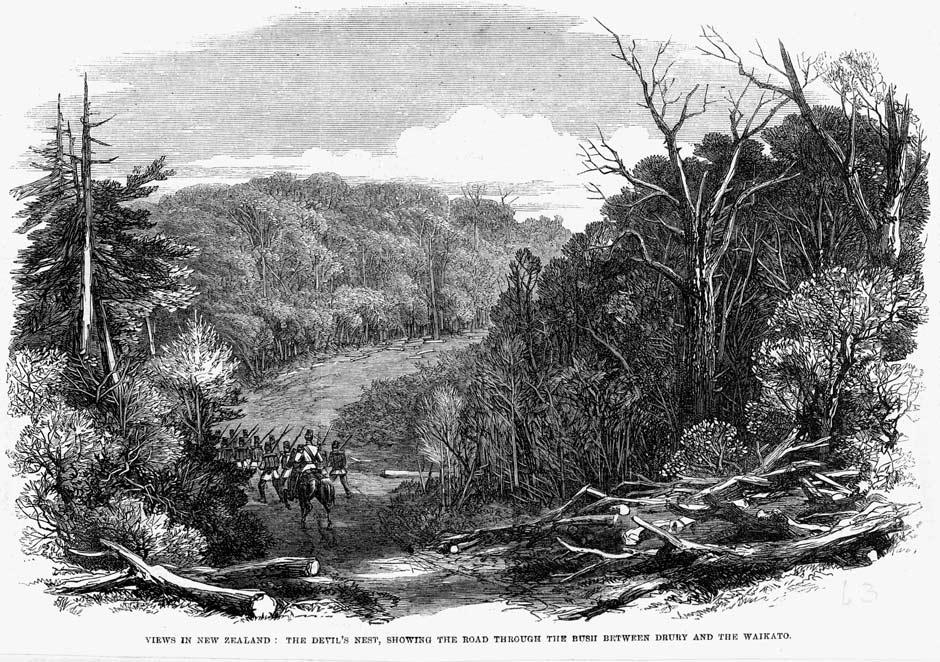
New Zealand Wars
1845 – 1872
New Zealand Wars (Land Wars / Māori Wars)
A series of conflicts fought between the British Crown — with colonial militia and allied Māori kupapa forces — and various Māori iwi resisting land confiscation. Campaigns included the Flagstaff War (1845–46), Hutt Valley & Whanganui (1846–48), the First Taranaki War (1860–61), the Waikato War (1863–64), the Second Taranaki War, Tītokowaru's War (1868–69), and Te Kooti's War (1868–72). Māori commanders demonstrated brilliant tactical ingenuity — their fortified pā designs remain studied in military academies. These wars fundamentally shaped the modern New Zealand nation and the Crown-Māori relationship.
~18,000Imperial + Colonial Forces
~4,000Māori Warriors (est.)
NZ SoilTheatre
More Info ↗
Boer War
1899 – 1902
South African (Boer) War
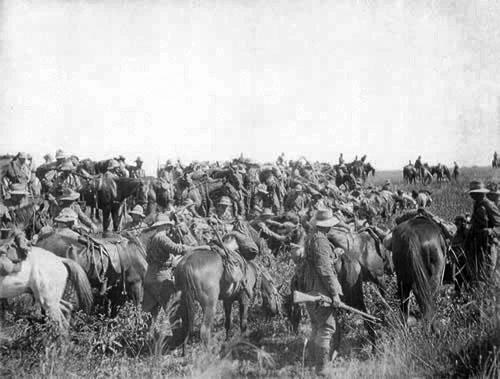
The first overseas conflict to involve New Zealand troops. Premier Richard Seddon volunteered forces before war was even declared — making NZ the first British colony to offer soldiers. Ten contingents of mounted rifles served across both the conventional and guerrilla phases of the war, fighting across the open veldt with skill that earned international respect. The Boer War established NZ's tradition of overseas expeditionary service and forged the bonds with Australia and Britain that would define the next century.
6,500NZ Troops Deployed
~230Deaths (incl. disease)
South AfricaTheatre
More Info ↗
World War I
1914 – 1918
World War I
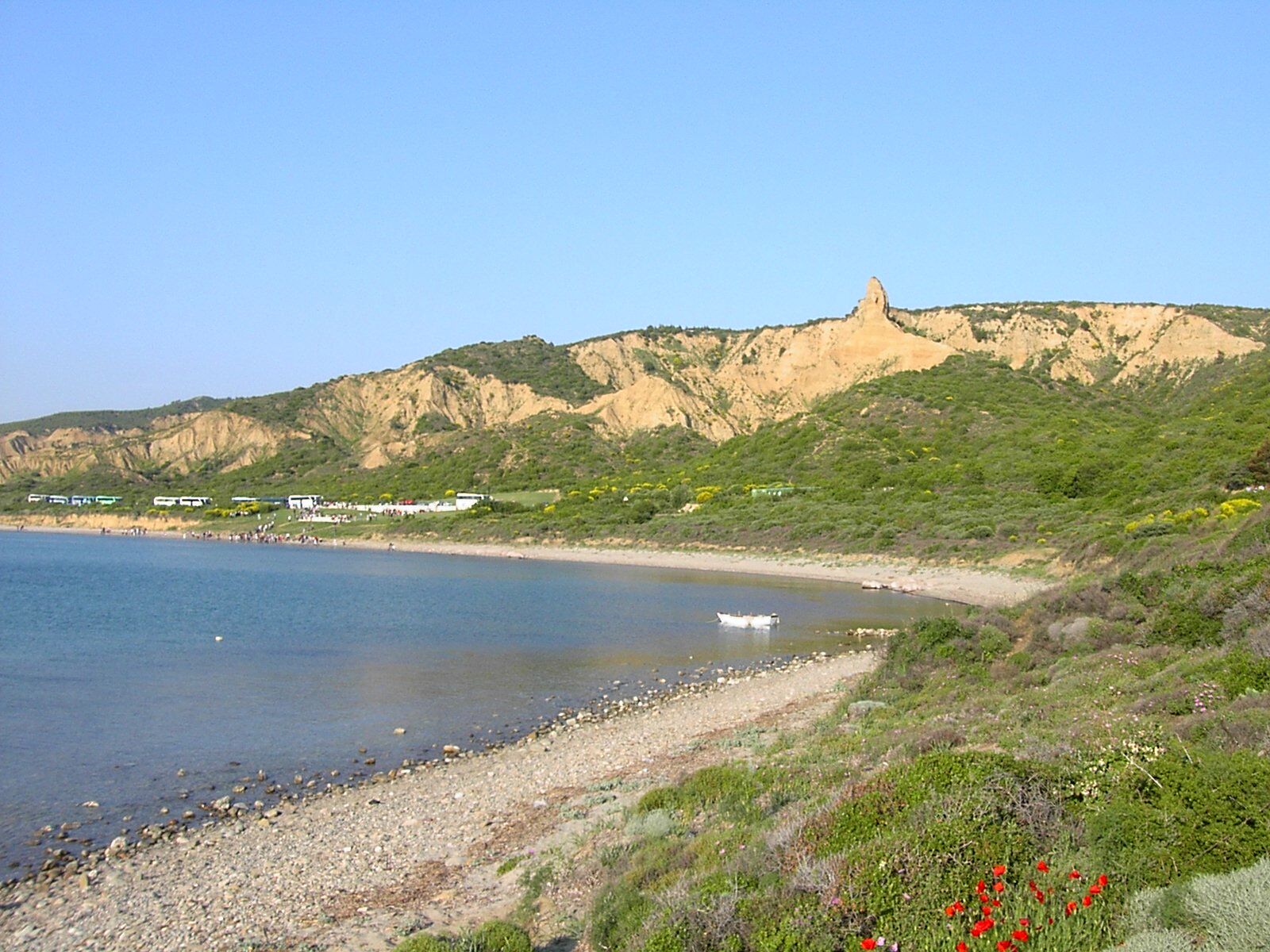
New Zealand's defining military chapter. The NZEF fought at Gallipoli — where the ANZAC legend was forged on 25 April 1915 — then on the Western Front (Passchendaele, Messines, Le Quesnoy), and across Sinai and Palestine. New Zealand sustained the highest per-capita military casualties of any Allied nation. The 25th of April, ANZAC Day, became NZ's most sacred national commemoration. Over 2,000 Māori and 500 Pacific islanders served with the New Zealand Pioneer Battalion. The NZEF comprised roughly 10% of NZ's entire population.
100,471NZ Troops Deployed
18,166Killed in Action
41,317Wounded
More Info ↗
World War II
1939 – 1945
World War II
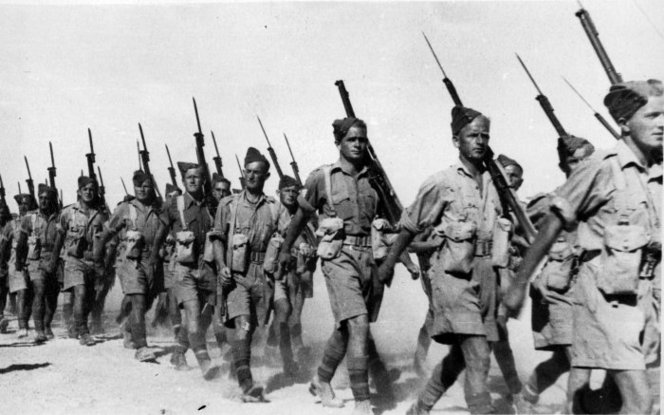
New Zealand's largest-ever military mobilisation. The 2nd NZEF fought across North Africa (including El Alamein under Freyberg), through Italy (Monte Cassino), and across the Pacific. The RNZAF deployed thousands of aircrew to the European, Mediterranean, and Pacific theatres, while the RNZN operated in every major ocean. At peak in 1942 the NZDF numbered ~150,000 — roughly 8% of the total population. NZ's per-capita contribution remained among the highest of any Allied nation throughout the war.
~150,000NZ Forces (peak 1942)
11,625Killed
GlobalTheatre
More Info ↗
Korean War
1950 – 1953
Korean War (KAYFORCE)
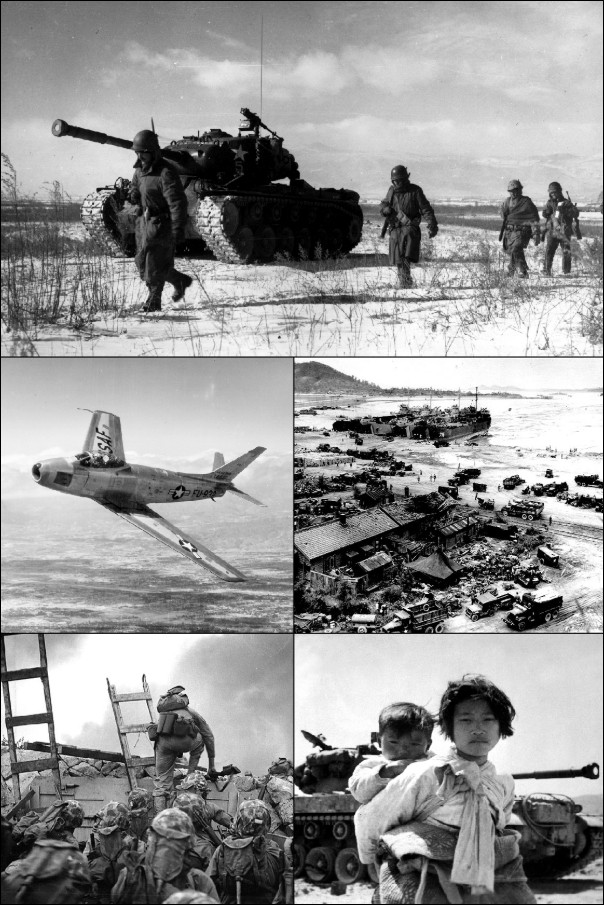
One of the first nations to respond to the UN Security Council's call, New Zealand deployed the Kayforce ground contingent (16th Field Regiment RNZA artillery) and RNZN frigates. NZ naval vessels participated in the Battle of Inchon and Han River operations. Ground forces saw heavy fighting — most notably at the Battle of Kapyong and First Battle of Maryang-san. NZ soldiers remained in Korea for four years after the 1953 armistice, with 3,794 army and 1,300 naval personnel serving over the course of the war.
5,094NZ Deployed (total)
33Killed in Action
KoreaTheatre
More Info ↗
Malayan Emergency
1948 – 1960
Malayan Emergency
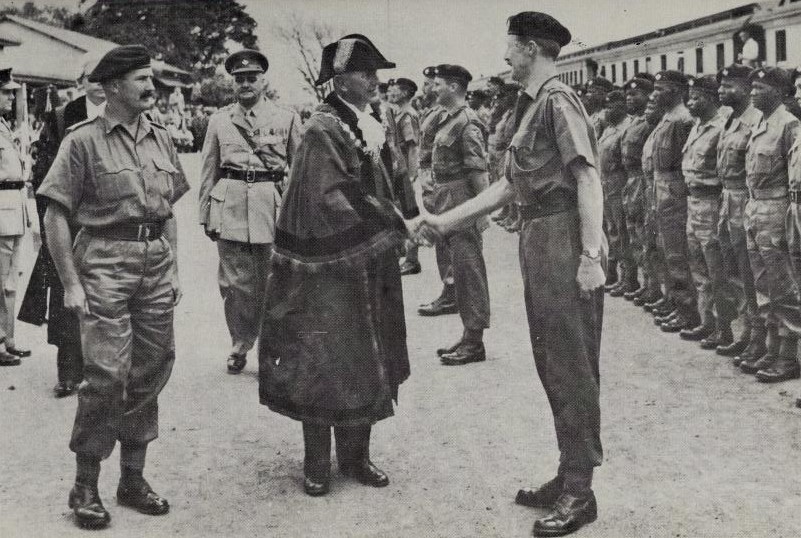
New Zealand contributed infantry, SAS, and RNZAF aircraft to assist Britain and the Malayan government against a communist insurgency in the deep Malayan jungle. The NZ SAS and regular infantry developed jungle warfare and counter-insurgency expertise that proved critical in subsequent operations. The campaign was ultimately successful after patient, intelligence-led operations. NZ forces remained in Malaya as part of the Far East Strategic Reserve after the Emergency concluded.
~1,000+NZ Personnel
15NZ Deaths
MalayaTheatre
More Info ↗
Borneo Confrontation
1963 – 1966
Indonesian Confrontation — Borneo (Konfrontasi)
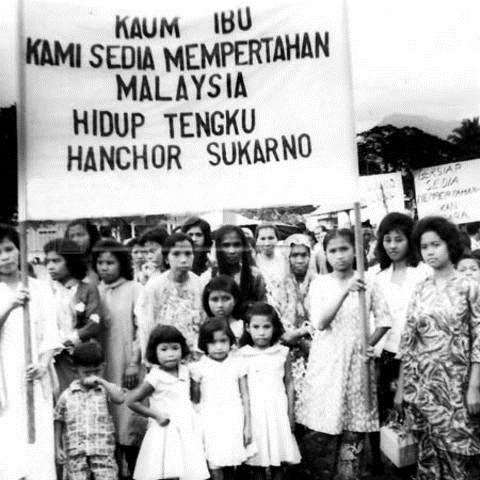
Indonesia under President Sukarno opposed the formation of Malaysia and launched a low-level conflict along the Borneo border. New Zealand deployed infantry and SAS troops to conduct patrols and covert cross-border operations alongside British and Australian forces in the jungles of Sarawak and Sabah. This little-known conflict remains one of the most demanding and least-celebrated chapters of NZ military history. Veterans received little recognition for years due to operational secrecy.
~4,000NZ Rotations (est.)
7NZ Deaths
Borneo / MalayaTheatre
More Info ↗
Vietnam War
1964 – 1972
Vietnam War
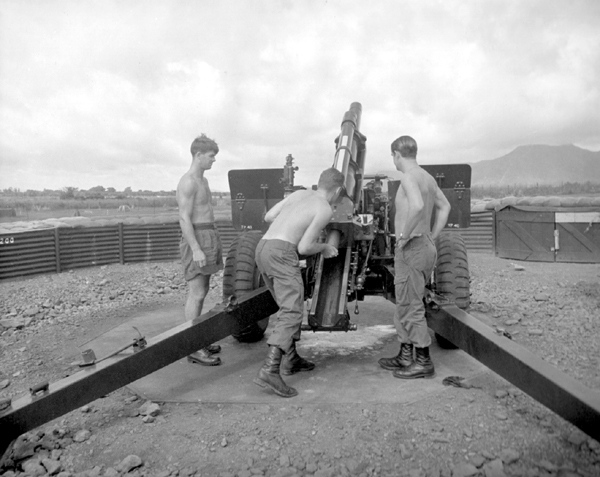
New Zealand's most controversial conflict, sparking widespread anti-war protests at home. NZ committed 161 Battery RNZA (105mm howitzers), V and W Companies of the 1st Battalion RNZIR, and NZ SAS — the first time NZ fought without the UK, following ANZUS obligations instead. The 161 Battery became renowned for accuracy and responsiveness, supporting Australian and US infantry in Phuoc Tuy Province. NZ SAS conducted long-range reconnaissance behind enemy lines. The conflict remains politically complex and divisive.
3,890Total NZ Deployed
37Killed
187Wounded
More Info ↗
Gulf War
1990 – 1991
Gulf War — Operation Desert Storm
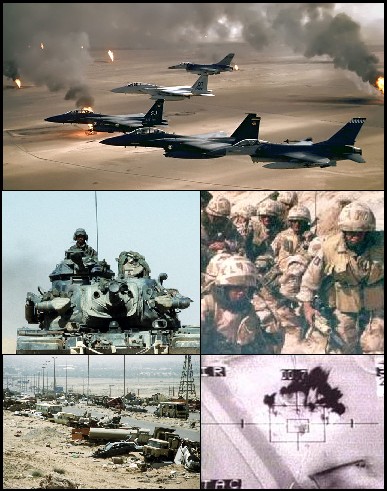
New Zealand contributed to the international coalition liberating Kuwait from Iraqi occupation, deploying HMNZS Canterbury as a support vessel and providing medical and engineering teams. The NZ role was deliberately non-combat, reflecting the government's careful foreign policy approach. The deployment demonstrated NZ's commitment to collective security under UN mandate and its willingness to contribute logistically and medically where combat was deemed inconsistent with domestic political constraints.
~120NZ Personnel
0NZ Combat Deaths
Persian GulfTheatre
More Info ↗
East Timor
1999 – 2012
East Timor — INTERFET / UNTAET / UNMIT
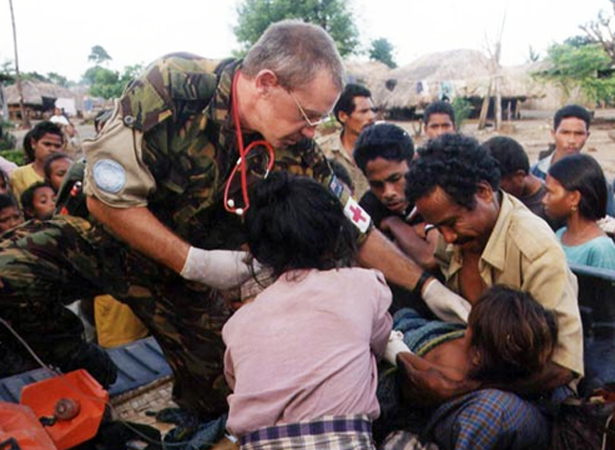
One of the most significant post-Cold War deployments for the NZDF. New Zealand was an early and substantial contributor to INTERFET, the multinational intervention force that stabilised East Timor following its independence vote and subsequent militia violence. NZ infantry, engineers, SAS, RNZAF aircraft, and RNZN vessels all deployed with peak numbers exceeding 1,000 personnel. The decade-long deployment through successive UN phases shaped NZ's approach to Pacific stabilisation and became a template for regional humanitarian and security operations.
~1,000+NZ Peak Strength
4NZ Deaths
East TimorTheatre
More Info ↗
Solomon Islands
2003 – 2013
Solomon Islands — RAMSI
The Regional Assistance Mission to Solomon Islands (RAMSI) was a Pacific-led stabilisation operation co-led by Australia and New Zealand to restore law and order following ethnic tensions and near state collapse. NZ contributed police, military, and civilian officials across the decade-long operation. RAMSI was broadly regarded as a success, restoring security and building new governance institutions. It demonstrated a police-led, military-supported model ideally suited to Pacific conditions and cemented NZ's reputation as a responsible Pacific stabilisation partner.
200+NZ Personnel
0NZ Deaths
Solomon IslandsTheatre
More Info ↗
Afghanistan
2001 – 2021
War in Afghanistan (Op Enduring Freedom / ISAF)
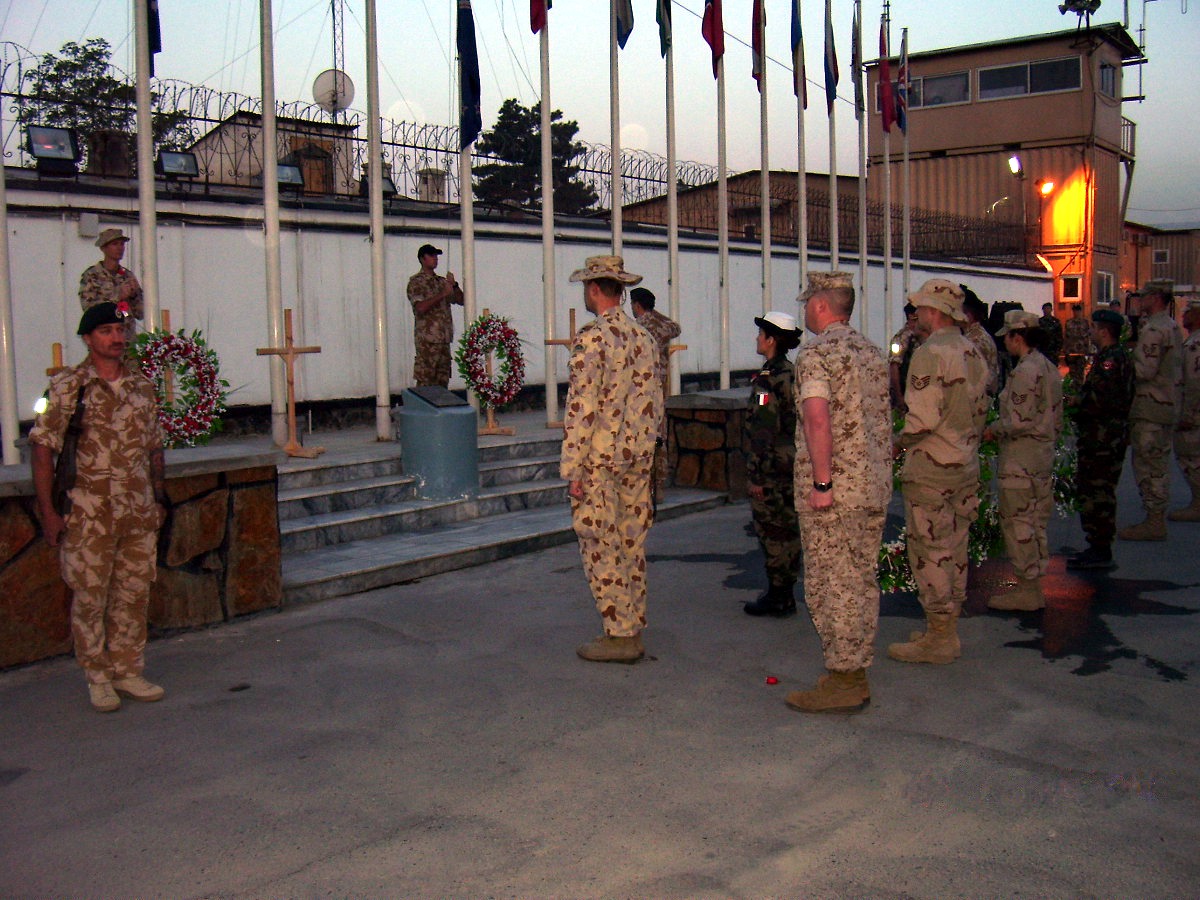
New Zealand's longest overseas deployment. The NZ SAS deployed with initial coalition forces in 2001, earning commendations from US Central Command. From 2003, NZ established a Provincial Reconstruction Team (PRT) in Bamyan Province combining security and development. NZ SAS returned for multiple combat rotations across two decades. Eleven New Zealand soldiers were killed in action. Decisions surrounding certain SAS operations in Baghlan Province remain the subject of ongoing public inquiry and controversy in NZ.
~250NZ Peak Strength
11NZ Killed in Action
AfghanistanTheatre
More Info ↗
Iraq
2003 – 2011
Iraq War — Reconstruction & Training
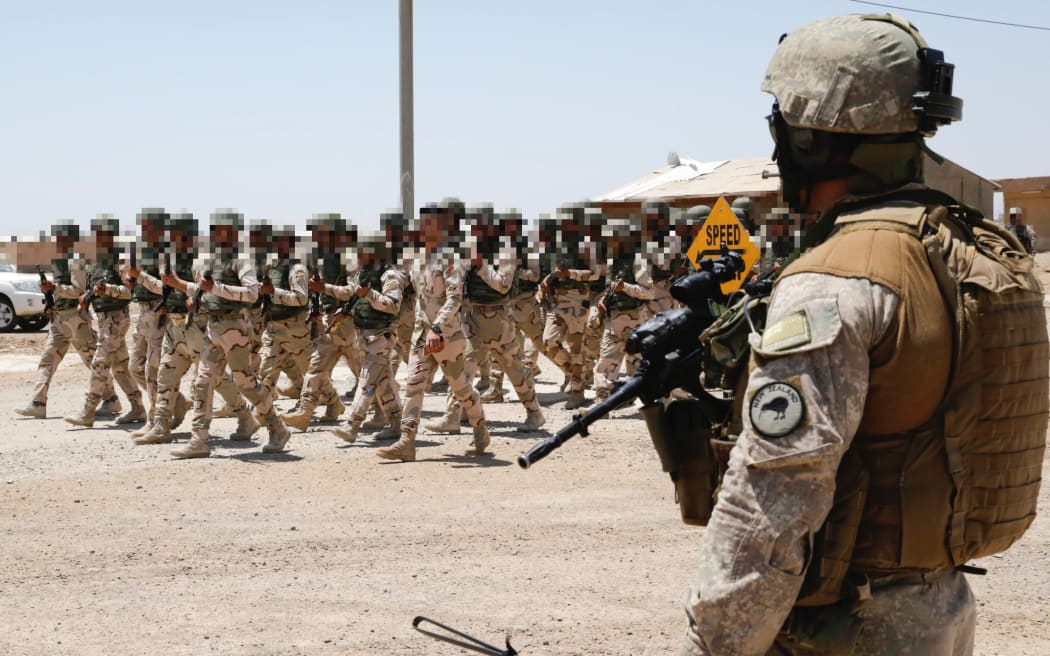
New Zealand opposed the 2003 US-led invasion of Iraq without a UN mandate, but subsequently deployed engineers and support personnel under UN authorisation for reconstruction and stabilisation. NZ troops helped rebuild infrastructure and trained Iraqi security forces, consistent with NZ's approach of contributing constructively where combat was inappropriate. NZ also deployed liaison and intelligence officers. The deployment reflected NZ's commitment to the international rules-based order while maintaining an independent foreign policy stance distinct from the invasion decision.
~100NZ Personnel (peak)
0NZ Combat Deaths
IraqTheatre
More Info ↗
Ukraine
2022 – Present
Ukraine — Operation Interflex
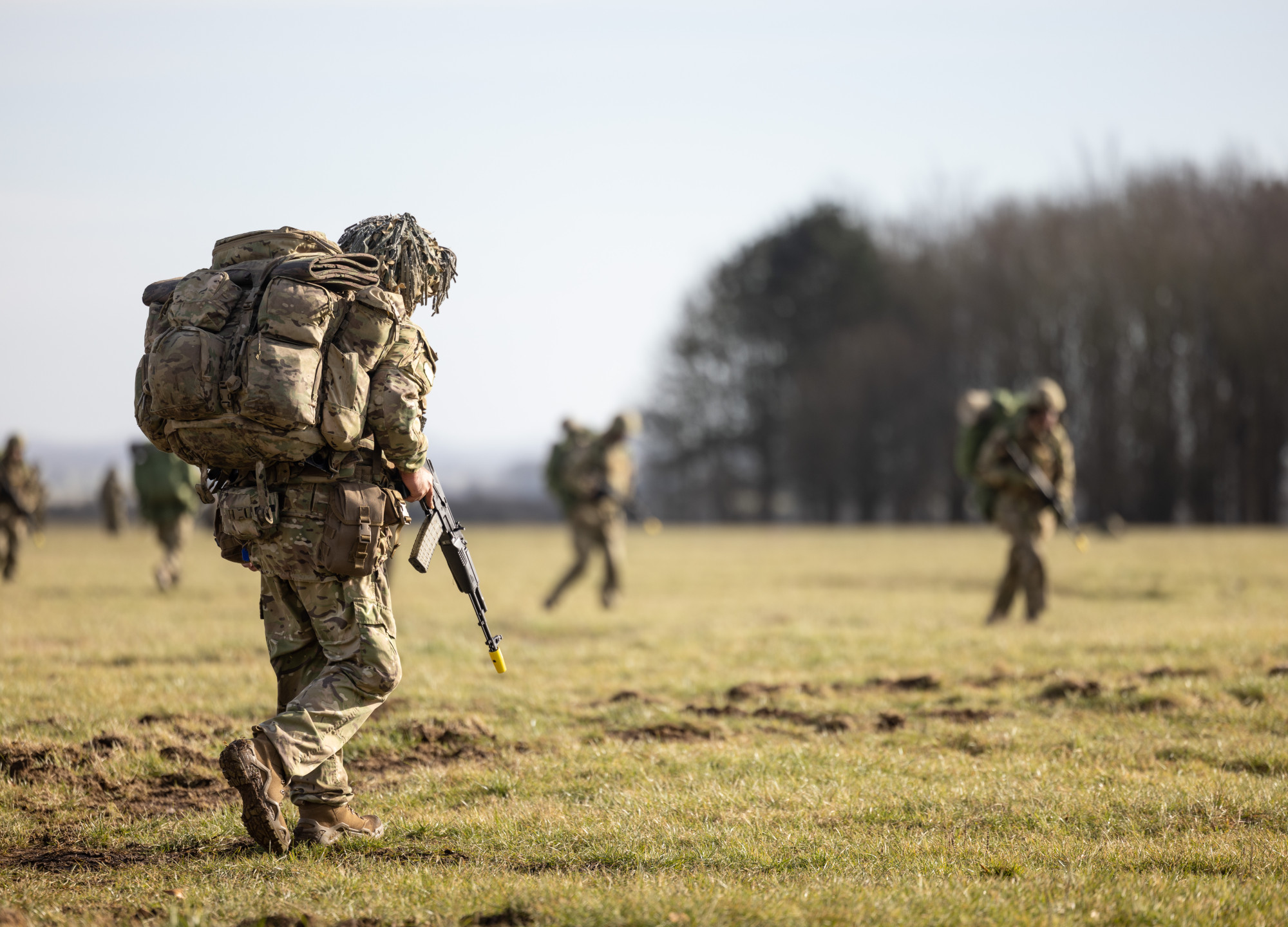
Following Russia's full-scale invasion of Ukraine in February 2022, New Zealand joined the UK-led Operation Interflex — training Ukrainian military personnel at sites in the United Kingdom. NZ deployed an initial cohort of 30 army instructors, scaling to 120, conducting an expedited basic soldier course covering weapons handling, combat first aid, operational law, and infantry skills. NZ also donated 40 L119 105mm gun sights and ammunition to Ukraine, and provided other military equipment and financial aid. NZ instructors operate entirely outside Ukraine itself.
120+NZ Instructors (UK)
~5,000Ukrainians Trained
UK / OngoingTheatre
More Info ↗
Top-Level Budget Figures — Vote Defence Force 2025/26
$6.2B
Total Defence Budget
NZD · 2025/26 financial year
1.3%
Defence as % of GDP
vs NATO 2.0% target — shortfall
$4.1B
Operating Budget
Personnel, training, sustainment
$2.1B
Capital Budget
New equipment & infrastructure
Operating vs Capital Spending — NZD Billions (2023–2027)
Operating Budget Breakdown
Major Capital Projects
ProjectCost (NZD)DeliveryStatusNotes
Boeing P-8A Poseidon (4 aircraft)
~$2.3B2022–2023CompleteReplaced P-3K2 Orion fleet; procured via US FMS
Lockheed Martin C-130J-30 Super Hercules (5 aircraft)
~$1.5B2024–2025CompleteReplaced C-130H fleet; includes full mission simulator
Maritime Fleet Renewal (Naval Helicopter Replacement)
~$2.0B2025–2030In ProcurementAnnounced May 2025; will replace SH-2G Super Seasprite fleet
ANZAC Frigate Systems Upgrade (FSU)
~$500M2018–2023CompleteTe Kaha complete; Te Mana complete; includes Sea Ceptor SAM integration
Southern Ocean Patrol Vessel
~$800M2028–2032PlannedTo replace ageing OPV capability; enhanced Antarctic/Southern Ocean reach
Airbus A321XLR (2 aircraft, 757 replacement)
~$400M2032–2033Ordered Aug 2025Announced August 2025; delivery approximately 2032
NH90 Helicopter Avionics & Systems Upgrade
~$250M2020–2025CompleteComms, nav, ATM, identification systems; cooperative programme with EU NH90 operators
Bushmaster NZ5.5 Protected Mobility Vehicle (48 units)
~$180M2022–2024CompleteReplaced older protected vehicle fleet; deliveries commenced 2022
Defence Spending vs Allies — % of GDP (2025)
🇳🇿 New Zealand
1.3%
🇨🇦 Canada
1.4%
✦ NATO Target
2.0%
🇦🇺 Australia
2.1%
🇬🇧 United Kingdom
2.3%
🇺🇸 USA
3.4%
Annual Budget Trend (NZD Billions)
What the Budget Delivers — Annual NZDF Capabilities
🛥️
Maritime EEZ Surveillance
Continuous surveillance of New Zealand's 4.1 million km² Exclusive Economic Zone — one of the world's largest — via P-8A Poseidon and King Air 350 patrols.
🆘
Search & Rescue (24/7)
Round-the-clock maritime and aeronautical SAR coverage across the NZ SAR region, one of the largest in the world, spanning the South Pacific and sub-Antarctic.
🌊
Disaster Relief Readiness
Rapid-deployment capability for cyclone, earthquake, tsunami, and volcanic eruption response throughout the Pacific Island region and within NZ itself.
🐧
Antarctic & Southern Ocean
Year-round presence in Antarctica and the Southern Ocean via HMNZS Aotearoa, RNZAF supply missions, and NZ Army Antarctic logistics support.
🤝
Pacific Security Partnerships
Bilateral and multilateral defence engagements with 9+ Pacific Island nations, supporting regional constabulary, capacity-building, and humanitarian frameworks.
🌐
UN Peacekeeping
Ongoing contributions to UN peacekeeping and observer missions globally, including Middle East, Africa, and the Indo-Pacific. NZ consistently punches above its weight.
Combined Maritime Forces
Active participation in counter-piracy (CTF-151), counter-narcotics (CTF-150), and maritime security (CTF-152) operations in the Gulf of Aden and Indian Ocean.
🎖️
Five Eyes Intelligence
Full-spectrum intelligence contribution and integration with the US, UK, Australia, and Canada under the Five Eyes intelligence-sharing framework.
Sources: NZ Treasury Budget 2026 (28 May 2026) · Vote Defence Force Appropriations · NZ Ministry of Defence Major Projects Report · SIPRI Military Expenditure Database 2025 · NATO Defence Expenditure estimates 2025. All figures approximate, NZD. Capital project costs are total of life programme, not annual allocations.